

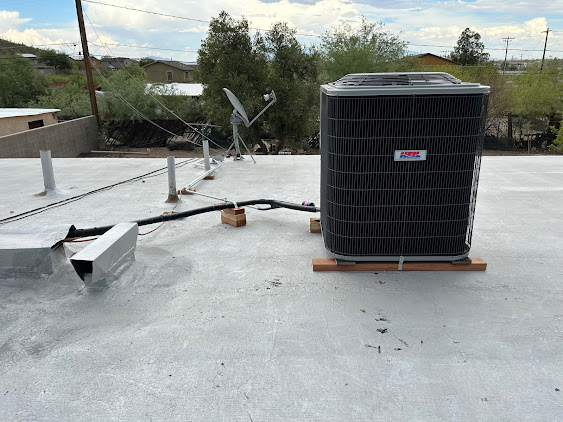
If you live in Sierra Vista or anywhere along the Huachuca foothills, you know how quickly the weather can swing. A warm, bone-dry afternoon can turn into a chilly desert night in a matter of hours, and summer monsoons bring humidity the air conditioning system has to wring out of the house. Those swings are hard on equipment. I have seen brand new condensers limp through a July heat wave because they were sized for Phoenix averages instead of Sierra Vista’s altitude and temperature shifts. That gap between generic and local is exactly where a good local HVAC company earns its keep.
A well-tuned heating and cooling system is not a luxury here, it is a safety net. When your AC loses its cool on a 104-degree afternoon, you want a technician who knows your neighborhood, your power utility quirks, and how dust from last week’s haboob can clog a coil. Working with a Sierra Vista team shortens response times, improves diagnoses, and Saguaro Air Solutions LLC ac repair near me adds a layer of accountability you rarely get with a distant call center.
Sierra Vista’s climate is not one-size-fits-all
Sierra Vista sits around 4,600 feet above sea level. That elevation matters for system selection and performance. Air density drops as you go higher, which reduces the capacity of compressors and blowers compared to their sea-level ratings. Monsoon season brings spikes in humidity, and winter nights dip lower than people expect from southern Arizona. A local HVAC company takes those factors into account when recommending equipment, sizing ductwork, and balancing airflow.
I have seen poorly sized systems short-cycle in August because the installer didn’t account for elevation derating. The unit would blast cold air for six minutes, shut off, then repeat, never pulling enough moisture from the indoor air. The house felt clammy at 76 degrees, and the motor wore out two years early. A local pro would have derated the capacity, adjusted blower speed, and recommended a slightly different coil pairing to handle latent load during monsoon peaks.
Local techs also know about dust and pollen patterns from the surrounding desert and grasslands. Fine particulates gather on outdoor coils, restrict airflow, and quietly erode efficiency. That is why many Sierra Vista maintenance plans specify coil cleaning before June, not later in the summer when buildup becomes stubborn and adds strain to the compressor.
Faster response when ac repair cannot wait
When the AC fails, distance is your enemy. A local company can usually dispatch a technician the same day, often the same morning if you call early. Drive time across town is measured in minutes, not hours, and that matters when a home with pets is baking. I have lost track of how many after-hours calls turned into simple saves because a nearby tech checked a weak capacitor or a burnt contactor and got the system back online in a single visit.
Local companies tend to carry the parts that fail most often in this region. A Sierra Vista truck stock will usually include dual-run capacitors in the common microfarad ranges for regional brands, condenser fan motors rated for the altitude’s airflow demands, and the specific air filters that fit older tract homes built in the late 90s. When you dial a national hotline, the technician might show up with generic parts and need to order the rest, which means another day of heat.
There is also the matter of scheduling flexibility. Smaller, local teams can shuffle routes when a true emergency pops up, and they know which neighborhoods suffer frequent power flickers that knock out thermostats. I remember a summer week with repeated lightning strikes east of Highway 92. Our local crew packed extra surge protectors and replacement transformer fuses because we expected failures. That kind of readiness comes from living and working here.
The value of a face you recognize
When you hire a local HVAC company, you are not dealing with a rotating list of subcontractors. You are likely to see the same technician year after year. Familiarity makes service more efficient. The tech remembers your attic layout, the tight turn on the return plenum, the spot where rodents once chewed the insulation. That knowledge shortens diagnostics and reduces mistakes.
Customer service feels different too. Local owners drive past the homes they service. They hear about their work in line at the grocery store. Reputation travels quickly in Sierra Vista, which puts healthy pressure on quality. If a mistake happens, and every contractor has off days, a local company will fix it fast to preserve that reputation. You are not left navigating a maze of call queues trying to reach someone with the authority to make it right.
Equipment selection tailored to the high desert
Picking HVAC gear for Sierra Vista is a balancing act: enough sensible cooling for hot afternoons, enough latent capacity for monsoons, and quiet, efficient operation for mild shoulder seasons. Local pros know which combinations actually achieve those aims in our conditions, regardless of brochure claims.
A few practical examples from the field:
- Single-stage versus variable speed: Variable-speed systems shine in Sierra Vista because they can run long, low cycles that dehumidify during monsoon. That said, in smaller homes with decent ductwork, a well-sized single-stage paired with an ECM blower can deliver 85 to 90 percent of the comfort for less upfront cost. A local tech who has measured static pressure in similar houses can advise honestly instead of pushing top-shelf gear by default. Heat pumps versus gas furnaces: Our winter nights are cool but not brutal. A high-efficiency heat pump often outperforms a furnace plus AC on lifetime cost when electricity rates and mild winter loads are considered. At the same time, some neighborhoods with older ductwork benefit from a dual-fuel setup that bridges the occasional freeze. Local companies weigh energy rates from APS or SSVEC, insulation levels, and your comfort preferences before recommending the path. Filtration and IAQ: Dust and seasonal allergens make a strong case for media filters or a dedicated return air upgrade. Locals have seen which filters collapse in our dry air and which whole-home purifiers endure. They can also advise on when IAQ add-ons are overkill. Not every home needs a UV light, especially if duct leakage and return sizing are the real culprits.
Preventive care that fits your home and your calendar
Maintenance plans are not one-size-fits-all. A local company can time tune-ups to our seasons and your schedule. Most Sierra Vista plans aim for one visit in late spring to prep for heat, and another in early fall to check defrost cycles and heat pump performance. That cadence catches refrigerant leaks before the hottest weeks and ensures heat mode is ready when desert nights bite.
Real maintenance is more than a filter swap. A thorough local tune includes coil washing, measuring superheat and subcool, verifying thermostat calibration, tightening electrical connections that loosen in attic heat, and checking static pressure to catch duct blockages early. Over time, those steps add years to a system’s life and shave real dollars from your utility bill. I have watched a five-minute capacitor test prevent a midsummer failure on a 10-year-old unit, saving the homeowner a miserable weekend and a compressor.
Trust built on permits, codes, and accountability
Sierra Vista has specific permitting rules, and Cochise County inspectors pay attention to line set sizing, disconnect locations, and clearance to combustibles. A local HVAC company stays on top of those details and has working relationships with permit offices and inspectors. Installers who pull permits correctly and schedule inspections promptly protect you when you sell the home or file a warranty claim.
There is also warranty reality. Manufacturers honor warranties when licensed pros install and maintain equipment to spec, and when documentation is clear. Local firms understand which serial numbers, photos, and test readings the brands will request. They file claims quickly because they have done it dozens of times with the same regional reps. That speeds up part replacements and cuts downtime.
Dollars and sense: cost is not just the invoice
Cost comparisons can mislead if you look only at the install bid. Out-of-town outfits might undercut a local company by a few hundred dollars, then make it up with pricey add-ons, travel charges, or limited support after the check clears. A fair local quote should itemize equipment model numbers, accessories, labor, permits, and disposal. It should also include the specifics of the labor warranty, not just the manufacturer’s parts warranty.
Energy efficiency is a savings engine, but only if the system is installed right. Static pressure set too high can erase SEER gains. Refrigerant charge off by even a few ounces can push a compressor to work harder. Locals with the right gauges, scales, and patience protect your investment. I have measured 10 to 15 percent efficiency swings before and after correcting airflow on systems that were “new but noisy.” The quiet after a proper balance speaks volumes, and the power bill does too.
When ac repair is the right call
Not every failing unit needs a full replacement. Local techs get good at stretching life when it makes sense. If a system is under 10 years old and the problem is a capacitor, contactor, fan motor, or a minor refrigerant leak at an accessible flare, targeted ac repair is usually the smart move. You can often buy yourself two to five more years without sacrificing comfort.
On the other hand, if the compressor is grounding out on a 14-year-old R‑22 system with pitted coil fins, the math changes. Sourcing R‑22 is expensive, and efficiency lags behind modern heat pumps. A local company will show you the numbers: repair cost versus expected remaining life, projected energy savings from replacement, and the comfort benefits you will feel immediately. The right answer depends on your budget, timelines, and risk tolerance. The point is to get someone who will put facts on the table instead of pushing a one-size script.
Ductwork: the hidden half of your comfort
In Sierra Vista, many homes have ducts running through attics that routinely hit 120 to 140 degrees in summer. Leaky or undersized ducts rob you of the cooling you are paying for. Local techs know the common duct layouts in subdivisions south of Fry Boulevard or near Fort Huachuca’s older rentals, and they can spot typical choke points. A quick static pressure reading reveals if your system is starved for airflow.
Sealing and insulating ducts is not glamorous, but it often yields the best bang for your buck. I have seen 20 percent leakage shrink to under 5 percent with mastic and foil tape applied properly, translating to more even temperatures and quieter registers. Correcting a crushed return boot or adding a second return can eliminate that bedroom that never seems to cool before midnight.
Indoor comfort beyond the thermostat number
Comfort is more than air temperature. Humidity, airflow direction, and noise shape how a home feels. Sierra Vista’s monsoon humidity rises enough that a system with poor latent performance leaves you sticky. Local pros tune blower speeds and recommend coil-match configurations to improve dehumidification, not just raw cooling.
Airflow direction matters for drafty rooms and for homes with large south-facing windows. A technician who has walked dozens of similar floor plans will suggest register adjustments or deflectors that control drafts. They can explain how to use a smart thermostat’s fan circulation setting sparingly to even out rooms without overworking the system.
Noise gets overlooked until it becomes constant frustration. A properly leveled condenser on a vibration pad and an air handler isolated from the attic rafters can drop perceived noise by a noticeable margin. Locals carry the pads and know which mounting tricks work in our construction styles.
Safety and air quality: not optional
A cracked heat exchanger or a misfiring gas furnace is rare in Sierra Vista’s modern builds, but it is not unheard of in older homes. Combustion safety checks, carbon monoxide testing, and proper venting deserve attention. A local company will flag risks and explain options clearly, whether that is a simple sensor replacement, a flue correction, or a strategic upgrade to a heat pump.
Dust control also plays a role in respiratory health. Media filters with MERV ratings that balance capture with airflow make a real difference. Locals will steer you away from overly restrictive filters that strain blowers, and toward options that fit your system’s capabilities. If anyone promises a miracle from a gadget clipped to your thermostat wires, ask for test data in homes like yours and check whether duct leaks and returns have been addressed first.
Straight talk about rebates and financing
Utility rebates and manufacturer promotions change frequently. Local HVAC companies track what is available through Sulphur Springs Valley Electric Cooperative and major equipment brands in our region. A few hundred dollars in rebates and a 0 to low-interest financing offer can tilt the scales toward replacement when timing is right. Just as important, locals will warn you when a rebate’s paperwork burden outweighs its value or when a promo locks you into a feature you don’t need.
What a good first visit looks like
If you are evaluating HVAC companies, expect a deliberate, low-pressure first visit. The best local pros take measurements, not guesses. A proper assessment may include:
- A load calculation that factors square footage, window orientation, insulation, and infiltration rather than repeating the old system’s tonnage. Static pressure readings to judge duct health and blower suitability. A written scope with model numbers, labor details, and permit handling, plus clear warranty terms.
Those steps show respect for your home and your wallet. They also let you compare proposals apples to apples. If someone gives you a price without stepping into the attic, keep looking.
The long game: relationships pay off
HVAC work is not a one-time transaction. Systems last 12 to 18 years on average in our climate, sometimes longer with careful maintenance. Over that span, you will schedule tune-ups, occasional ac repair, and perhaps a thermostat upgrade. When you build a relationship with a local Sierra Vista team, you get continuity and context. They track your system’s history, anticipate parts aging out, and nudge you before peak season rather than after.
There is peace of mind in knowing who to call when a storm knocks out power and your thermostat screen goes blank. There is confidence in seeing the same technician climb into the attic, greet your dog by name, and leave boots cleaner than they arrived. Those are small signals, but they add up to trust.
A candid word on trade-offs
Are there times a nonlocal option makes sense? If you are installing a niche system that only a specialized dealer handles, or you have a manufacturer-sponsored pilot program, you might look beyond the city. You might also find a one-off deal on surplus equipment. Just weigh the support you may forfeit. In most cases, the return on convenience, accountability, and climate fit favors a local HVAC company.
If budget is tight, tell the local pro up front. A good one will propose a phased plan: immediate ac repair to stabilize comfort, targeted duct fixes next season, and a replacement timeline built around your finances. You are not just buying metal and refrigerant, you are buying judgment. Local experience sharpens that judgment.
How to pick the right Sierra Vista partner
You do not need a long checklist, but a few filters help you find the right fit.
- Ask for proof of Arizona licensing, insurance, and recent permits pulled in Sierra Vista or Cochise County. Request two local references from the last year and call them. Ask about punctuality, cleanliness, and whether issues were resolved without drama.
Add a gut check: did the technician listen, explain trade-offs, and put numbers behind their advice? If yes, you are on the right track.
The bottom line
Choosing a local Sierra Vista HVAC company aligns your home’s comfort with the realities of our high-desert climate. You get faster ac repair when it matters, equipment that matches our elevation and monsoon humidity, and maintenance timed to the seasons that stress your system most. You also get people who stake their reputation on every attic they enter and every compressor they wire.
The right local partner will help you breathe easier in July, sleep warmer in January, and spend less money fighting the elements year after year. That is not just service, it is stewardship of your home’s most important system in a place where weather does not play by the book.